
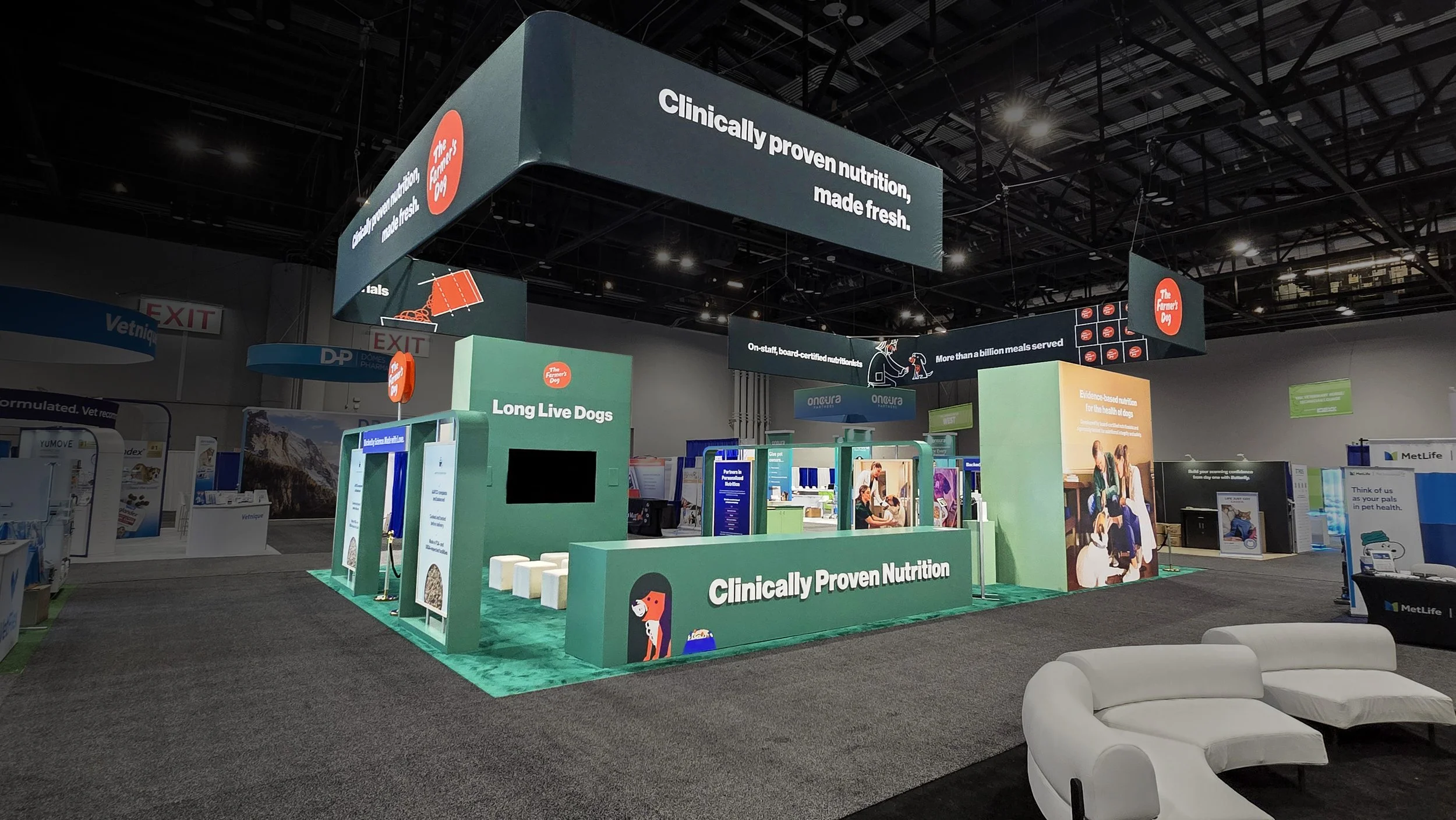
NADA Trade Show Booth & Exhibit Design
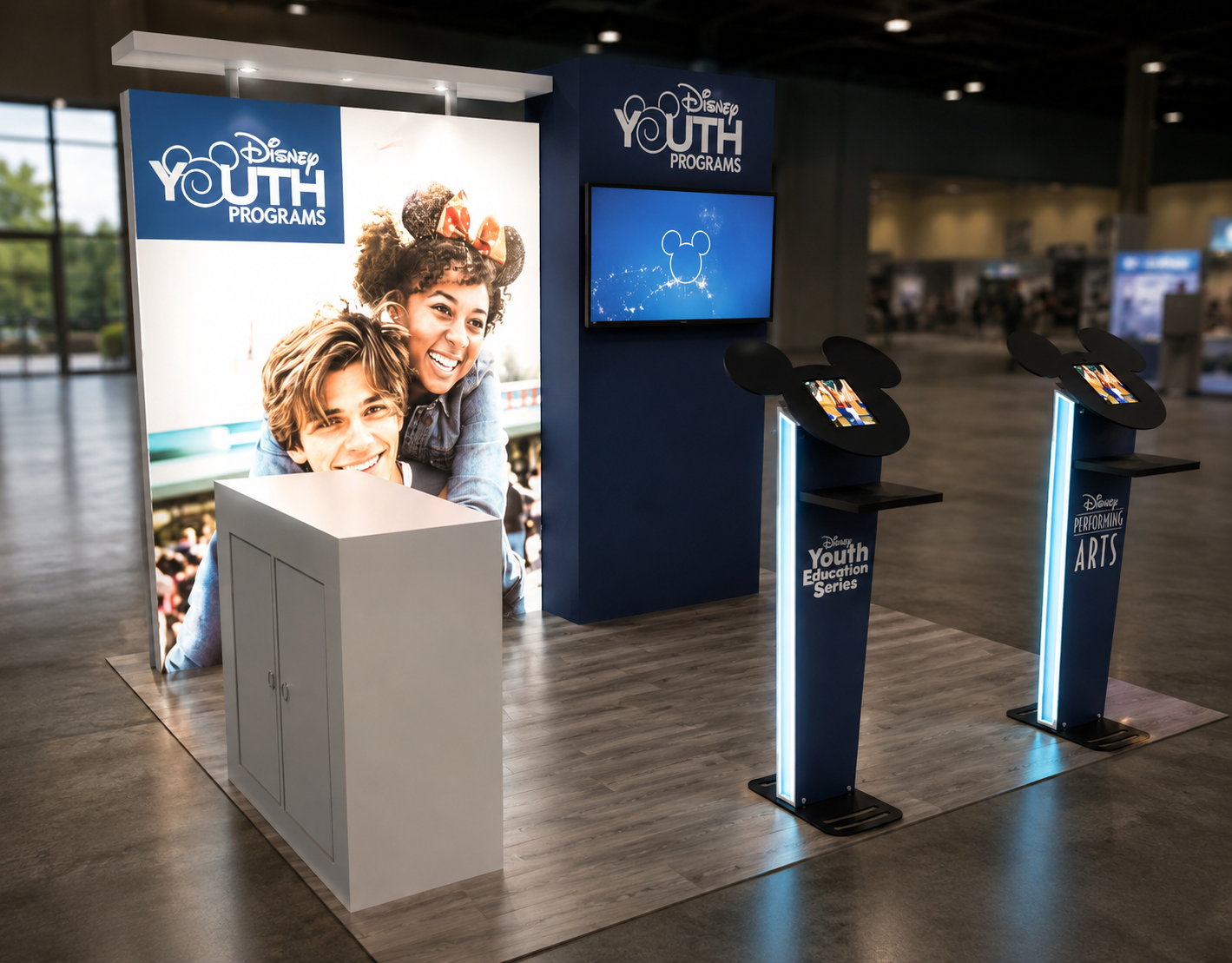
Exhibiting at the NADA Show puts your brand in front of dealership decision-makers who are moving fast, comparing vendors, and judging credibility in seconds. A NADA trade show booth has to do more than display a logo — it needs to hold product demonstrations, host dealer meetings, and communicate what your company does before a visitor has finished walking past.
Next Level Displays designs and builds custom NADA trade show exhibits for companies exhibiting to the automotive dealership market, from initial concept through installation and dismantling. This page covers what goes into planning a booth for NADA, the services involved in building one, and how to think through design, graphics, logistics, and follow-up before your next show.
What Sets a NADA Trade Show Booth Apart
NADA Show attendees are dealership owners, general managers, F&I directors, and OEM representatives — not general consumers. They're evaluating whether a product or service will actually work inside their dealership operations, which changes what a booth needs to accomplish:
Clear, fast messaging. Dealers walk the floor quickly between appointments, so your value proposition needs to read in seconds, not paragraphs.
Room for real conversations. Many NADA exhibitors close business on the show floor, so a booth needs defined meeting space, not just a display wall.
Product or platform demonstrations. Software, DMS, F&I, and fixed-ops vendors typically need demo stations with screens and seating rather than a static display.
Durability for a busy floor. NADA draws heavy, sustained foot traffic across several days, so materials and construction need to hold up.
A booth built around these realities performs differently than a generic display pulled from a catalog.
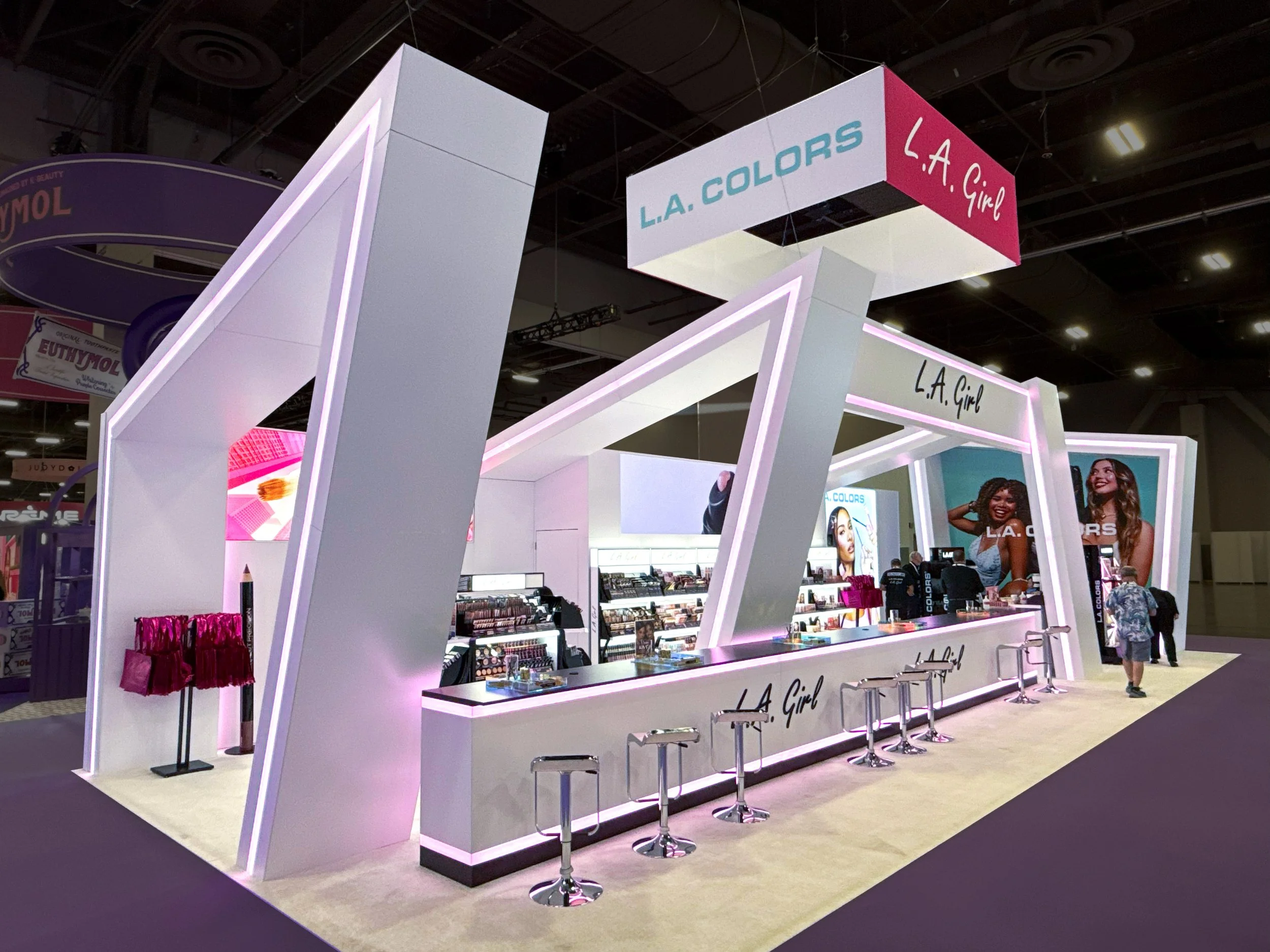
What Goes Into a Custom NADA Trade Show Exhibit
A NADA exhibit is rarely one single product — it's a set of coordinated elements chosen to fit your space, your brand, and how visitors should move through the booth. Depending on the project, a custom automotive trade show booth can include:
Not every project needs every element — the combination is selected based on your goals, floor space, and budget.
| Element | Purpose |
|---|---|
| Custom branded walls and structures | Anchors the booth's overall look and defines the space |
| Tension fabric and backlit graphics | Adds visibility and a premium finish to key brand or product messages |
| Large-format printed graphics | Communicates brand and messaging at a distance |
| Product demonstration or presentation areas | Gives featured products or software dedicated space to be shown |
| Reception and sampling counters | Creates a welcoming first point of contact for visitors |
| Private or semi-private meeting space | Supports sales conversations away from open floor traffic |
| Monitors and presentation technology | Runs demos, looping content, or live software walkthroughs |
| Custom flooring | Defines the booth footprint and adds a finished, branded feel |
| Storage areas | Keeps literature, samples, and staff items out of visitor sightlines |
| Hanging signs | Improves visibility from across a large show floor |
| Portable display components | Adds flexibility for smaller footprints or secondary spaces |
NADA Exhibit Services
Coordinating design, fabrication, graphics, shipping, and installation through separate vendors adds unnecessary back-and-forth. Next Level Displays brings these services together on one project:
| Service | How It Supports Your Exhibit |
|---|---|
| Custom Booth Design | Builds a layout around your brand, products, and floor space. |
| Exhibit Construction | Turns the approved design into a physical, functional booth. |
| Trade Show Graphics | Communicates your brand and key messages visually. |
| Lighting & Backlit Displays | Improves visibility and highlights key products or messaging. |
| Product Display Areas | Gives featured products or demos dedicated presentation space. |
| Meeting Areas | Provides a defined space for dealer conversations. |
| Booth Rentals | Offers a flexible option for companies that don't need a permanent exhibit. |
| Installation & Dismantling | Handles on-site assembly and teardown around the show schedule. |
| Shipping & Logistics Support | Coordinates transportation of booth materials to and from the venue. |
| Storage | Keeps reusable exhibits ready for the next show. |
Booth Size, Format, and Reusability
NADA booths range from smaller inline spaces to larger island exhibits and double-deck structures, and the right format depends on your floor space, budget, and what the booth needs to do — hold a demo station, support several simultaneous dealer meetings, or maximize visibility from multiple aisles.
Inline and peninsula booths work well for focused product displays and a small number of meeting seats.
Island booths allow open sightlines from every direction and more room for separate zones — demo area, lounge, private meeting space.
Double-deck exhibits add a second level for private meetings or hospitality space without expanding the footprint, which can matter on a crowded show floor.
See Double-Deck Exhibit Options
Booths are also built with reuse in mind where that fits the budget. A modular structure that can be reconfigured for different footprints or reskinned with new graphics reduces the cost of exhibiting at NADA year over year, and Next Level Displays can design with that longevity in mind from the start.
Custom Build vs. Rental: Choosing the Right Exhibit Approach
Not every NADA exhibitor needs a fully owned, custom-built structure, and not every exhibitor wants a rental. The right approach depends on how often you exhibit, how much your messaging changes between shows, and your budget.
Custom-built exhibits make sense for companies exhibiting at NADA regularly with a consistent brand presence they want to own and reuse.
Rental exhibits suit companies testing a new booth size, exhibiting less frequently, or wanting a high-quality presence without a long-term structure to store and maintain.
Next Level Displays offers both paths, so the decision comes down to what fits your show schedule and goals rather than what a vendor happens to sell.
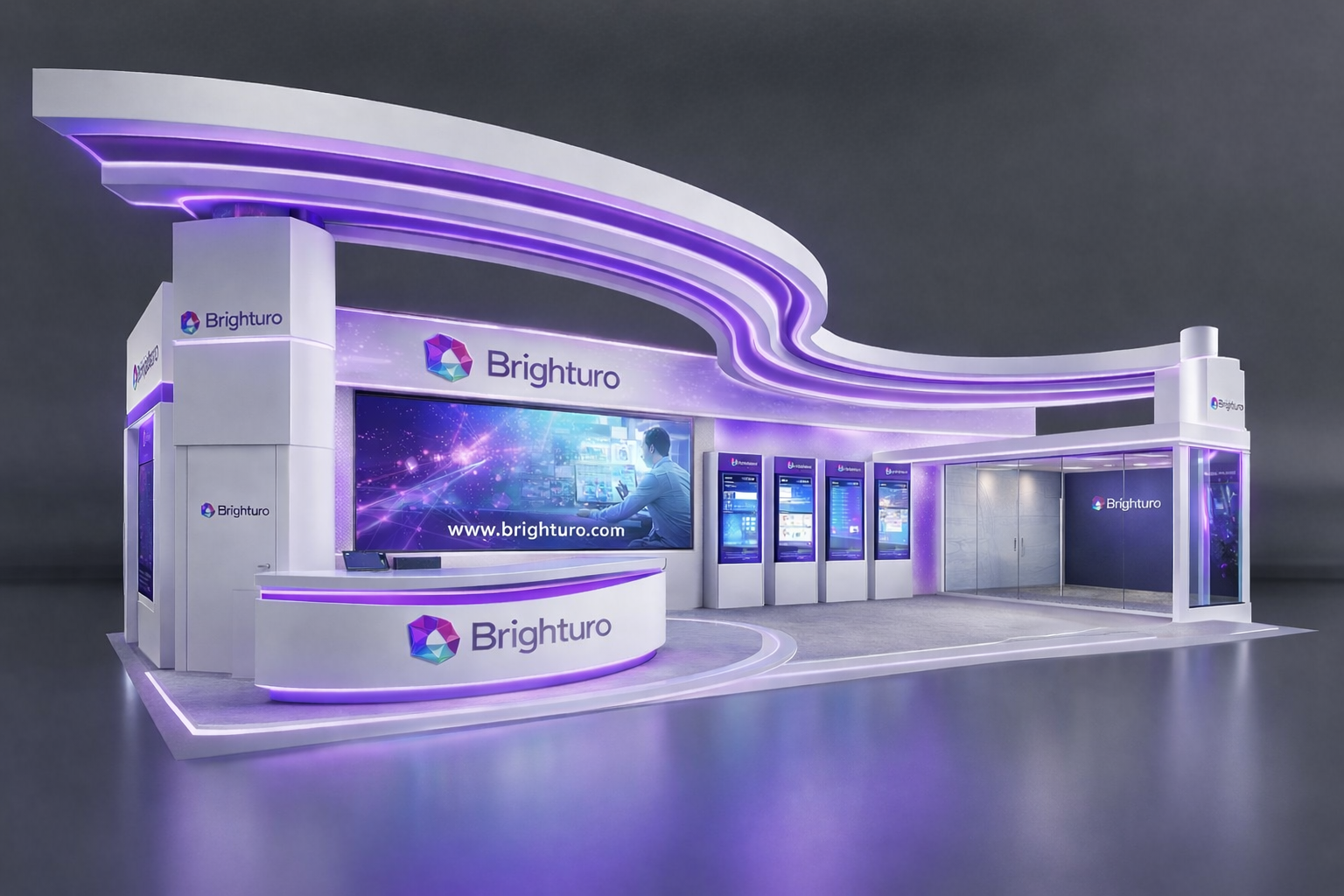
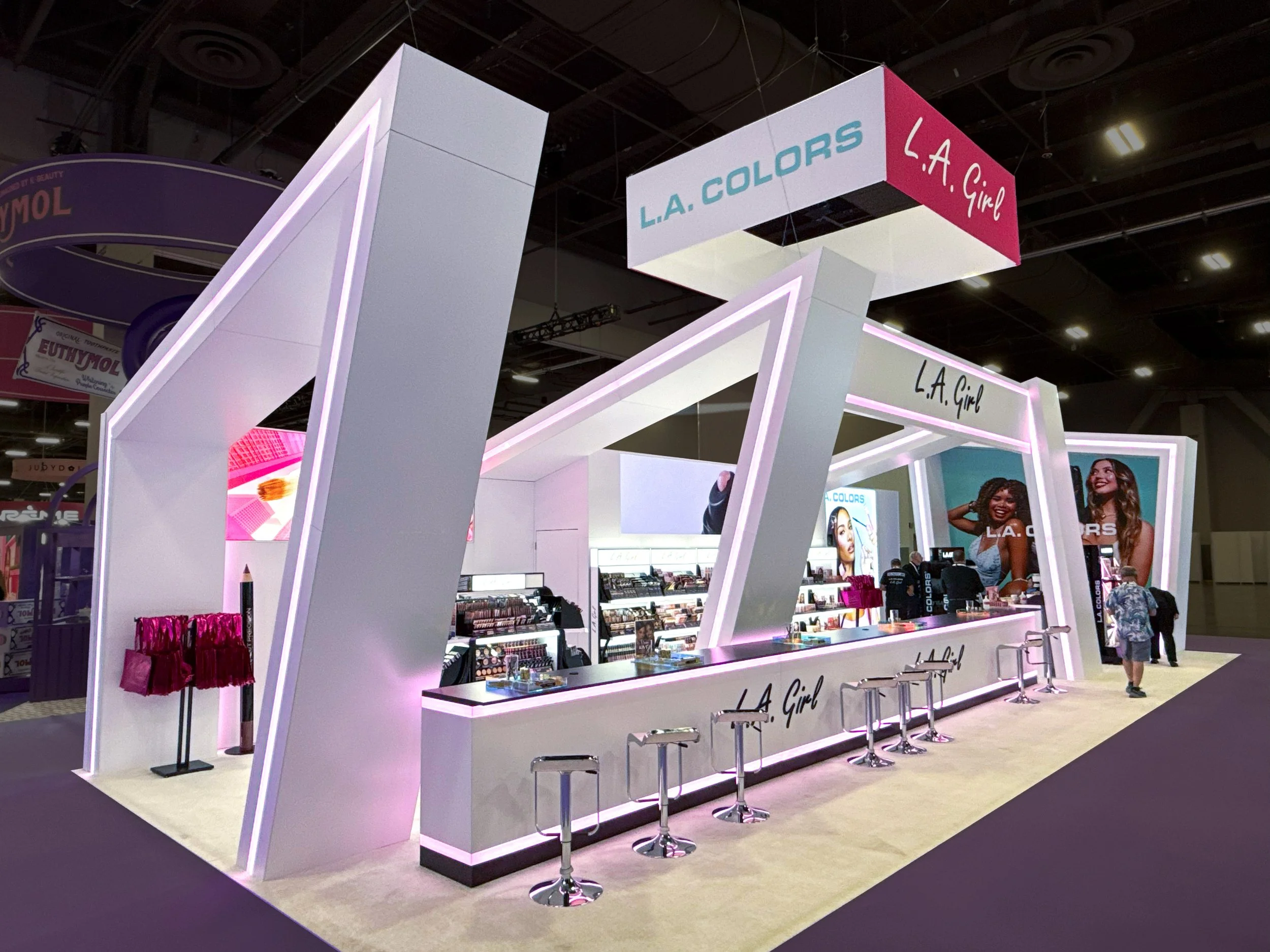
Designing for Dealer Engagement on the Show Floor
Booth traffic at NADA is driven by more than an eye-catching structure. A few design decisions consistently affect how well a booth performs:
Traffic flow. Open sightlines and a clear entry point pull visitors in rather than leaving them to guess where to walk.
Product and service displays. Physical products, demo stations, or interactive screens give visitors a reason to stop rather than walk past.
Meeting and seating areas. Dedicated seating supports longer conversations with serious prospects without crowding the open display space.
Lead capture. Whether through staff conversations, a scanning station, or a demo sign-up, the booth should make it easy to follow up after the show.
Staffing and messaging consistency. Booth design supports the conversation your team is having — signage and layout should reinforce what your staff is telling visitors, not compete with it.
Planning Timeline
Trade show exhibits — especially fully custom builds — take design, fabrication, and logistics coordination time before a show. Starting the conversation well ahead of your exhibit space deadline gives more room for design revisions, production scheduling, and shipping coordination, and reduces the chance of rush fees or compressed timelines closer to the show. Exact deadlines, booth space costs, and design regulations for a given NADA Show are set by NADA directly, so exhibitors should confirm current requirements through NADA's own exhibitor resources when finalizing plans.
Case Studies
Seeing how a booth comes together for a real client is often more useful than a description of the process. Next Level Displays' case studies walk through completed exhibit projects from concept to show floor:
Frequently Asked Questions
Answers to the most common questions companies ask before exhibiting at NADA Show.
-
A NADA trade show booth is the exhibit space a company builds out to present its products or services to attendees at the NADA Show, the annual event for automotive dealers hosted by the National Automobile Dealers Association. It typically includes branded structure, graphics, product displays, and space for dealer meetings.
-
"Exhibit" and "booth" are generally used interchangeably in this context — both refer to the overall display setup built for the show, including the structure, graphics, furnishings, and any AV or demo elements. Some exhibitors use "exhibit" specifically to describe larger or fully custom builds versus a smaller standard booth.
-
Cost depends on factors like booth size, design complexity, materials, graphics, AV and technology, furniture, shipping, and installation and dismantling labor. A 10x10 inline space and a large custom island exhibit sit at very different price points, so the most accurate figure comes from discussing your specific floor space and goals with an exhibit team directly.
-
Start with your goals for the show — product demos, dealer meetings, brand awareness — and your available floor space and budget. From there, a design phase maps out layout, graphics, and any AV or seating needs before moving into fabrication.
-
Most NADA exhibitors benefit from a clear product or service display, a demo station if applicable, defined meeting seating, and signage that communicates what the company does within a few seconds of a dealer walking by.
-
Earlier is better, particularly for fully custom builds, since design, fabrication, and shipping all take lead time. Booking further ahead also leaves room to adjust the design if plans change.
-
Yes. Custom exhibits are built specifically around a company's brand, floor space, and goals, from structure and graphics to layout and AV integration, rather than using a standard pre-built display.
-
It depends on how often you exhibit and how much your messaging changes between shows. Frequent exhibitors with a stable brand presence often benefit from owning a custom build; companies exhibiting less often or wanting more flexibility often prefer a rental.
-
Yes — many NADA exhibitors design their booth specifically around dealer meetings and live product or platform demonstrations, since much of the value of exhibiting comes from direct conversations with attendees.