
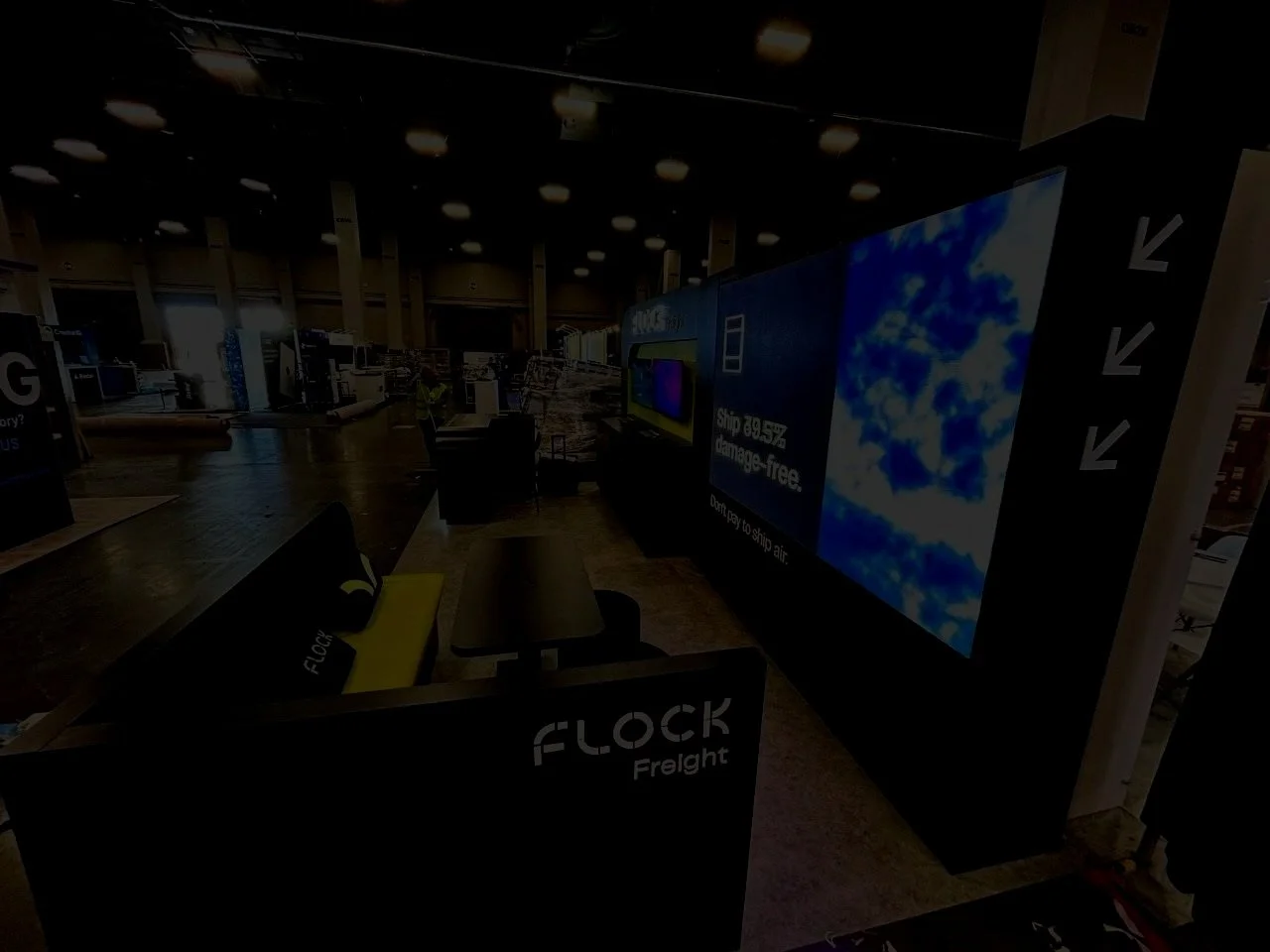
SEMA Trade Show Booth
SEMA Trade Show Exhibit
Your brand's narrative, through design. Stand out, sell more.
500+
Custom Builds Delivered
SEMA Trade Show Booth
If you're exhibiting at the SEMA Show, your booth has to do more than hold a logo and a few product shelves. It has to stop foot traffic on one of the busiest show floors in the automotive industry, give buyers a reason to walk in, and give your team the room to demonstrate products, run private meetings, and manage a four-day event without the booth falling apart by day two. Next Level Displays designs and builds a SEMA trade show booth around those realities — not around a generic exhibit template with a SEMA logo dropped on top.
We're a California-based, full-service trade show exhibit company that has spent more than 20 years designing, building, and managing custom booths and rental exhibits for exhibitors across the USA. When you work with us on a SEMA trade show exhibit, you get one team handling design, fabrication, graphics, logistics, installation, and dismantling — so you're not coordinating five vendors while also trying to run a show.
SEMA exhibitors have different problems than exhibitors at most other trade shows. Automotive aftermarket brands often need to display vehicles, wheels, tools, or bulky hardware, not just brochures and screens. Booths sit on a show floor with more than a million square feet of indoor exhibit space and additional outdoor space, surrounded by hundreds of competing exhibitors, all trying to earn the same three seconds of attention from a buyer walking by. A booth built for a typical B2B conference usually isn't built for that.
Custom SEMA Trade Show Booths Built Around Your Brand
A custom SEMA trade show booth is built from the ground up around your product line, your booth footprint, and how your team actually works a show floor — rather than assembled from stock modular parts.
For SEMA exhibitors, that usually means designing around a few things competitors treat as an afterthought: how a vehicle or large product gets staged and lit, where a demo area needs clear sightlines from the aisle, and where a private space is needed for dealer or distributor conversations that shouldn't happen in the middle of an open floor. We start with your brand guidelines, your product mix, and your goals for the show — lead generation, dealer meetings, product launches, press coverage — and design a layout that supports all of it without feeling cluttered.
Because we handle design and fabrication in-house at our own production facility, changes during the design process don't mean waiting on a third-party shop or renegotiating a subcontractor's timeline. One team owns the outcome.
SEMA Trade Show Exhibit Design That Supports Your Goals
Good SEMA exhibit design starts with what you need the booth to do, not what it should look like.
Before we sketch a layout, we ask what has to happen inside your space: How many people need to staff it at once? Are you demonstrating a product live, running video content, or both? Do you need a closed-door area for meetings with distributors, or is everything open-floor? Is a vehicle, engine, or oversized product part of the display, and how much clearance does it need? The answers shape the floor plan long before graphics or finishes get discussed.
From there, our design team builds 3D renderings so you can see traffic flow, sightlines, and branding placement before anything gets fabricated — which is also the point where budget, materials, and scope get finalized so there are no surprises once production starts.
What Can Be Included in a SEMA Exhibit?
A SEMA booth can combine any mix of the following, depending on your space, budget, and goals:
Not every SEMA exhibit needs all of these. Part of the design process is figuring out which elements actually earn their space in your footprint — and which ones just add cost without adding results.
-
Structures, walls, and architectural elements built specifically for your design
-
Reconfigurable elements that can be resized or rebuilt for future shows
-
Tension fabric, direct print, and backlit graphics for brand messaging
-
For product content, brand storytelling, or live demo footage
-
Platforms, risers, and staging built to showcase parts, tools, or vehicles safely and prominently
-
Open space with clear sightlines for live product demos
-
Semi-private or fully enclosed rooms for dealer, distributor, or press conversations
-
Locking closets and back-of-house space to keep the floor clean during the show
-
For greeting visitors, staffing lead capture, or handing off literature
-
Accent, wash, and feature lighting to draw the eye and highlight products
-
From overhead hanging signs to floor graphics for full 360-degree visibility
SEMA Booth Designs for Automotive and Specialty Brands
SEMA draws exhibitors from across the automotive aftermarket, and each category tends to have different display needs on the show floor:
Automotive aftermarket manufacturers typically need durable product walls and clear category signage for buyers moving quickly between booths.
Performance products brands often want demo space to show fit, sound, or function — sometimes with a vehicle or engine on the floor.
Wheel and tire companies generally need tiered or rotating product displays that let buyers see finish and detail from multiple angles.
Accessories brands benefit from organized, modular product walls that can be reconfigured season to season without a full rebuild.
Tools and equipment exhibitors often need working demo stations, which affects power, ventilation, and floor layout.
Vehicle technology and electronics companies tend to lean on video walls, touchscreens, and interactive product configurators.
Restyling and appearance product brands usually want strong lighting and finish-forward staging, since the product's look is the pitch.
Parts and components suppliers often prioritize private meeting space for distributor and dealer conversations over open demo areas.
Whatever category you fall into, the booth should be built around how your specific buyers evaluate your specific products — not a one-size-fits-all automotive template.
Custom vs. Rental SEMA Trade Show Exhibits
The right approach depends on how often you exhibit, how your product line changes, and how your budget is structured.
Custom exhibits are designed and built specifically for your brand and owned by your company afterward. They make sense if you exhibit at SEMA regularly, want full creative control over every detail, or need a booth that fits a very specific product display requirement — like staging vehicles or oversized equipment — that a stock rental system can't easily accommodate.
Rental exhibits are pre-engineered structures that get customized with your graphics, branding, and layout for a single show, then returned afterward. They're a strong fit if you're exhibiting at SEMA for the first time, testing a new booth size, or want a high-impact presence without the long-term commitment or storage responsibility of owning a structure.
Modular exhibits sit between the two: reusable components you own that can be reconfigured into different footprints for different shows, which suits brands that exhibit at SEMA alongside other trade shows during the year and want one system that adapts across booth sizes.
We won't tell you a custom build is the answer if a rental gets you what you need for less commitment — or the other way around. The right call depends on your show calendar and your goals, and we'll walk through that with you directly rather than defaulting to whichever option is easier for us to sell.
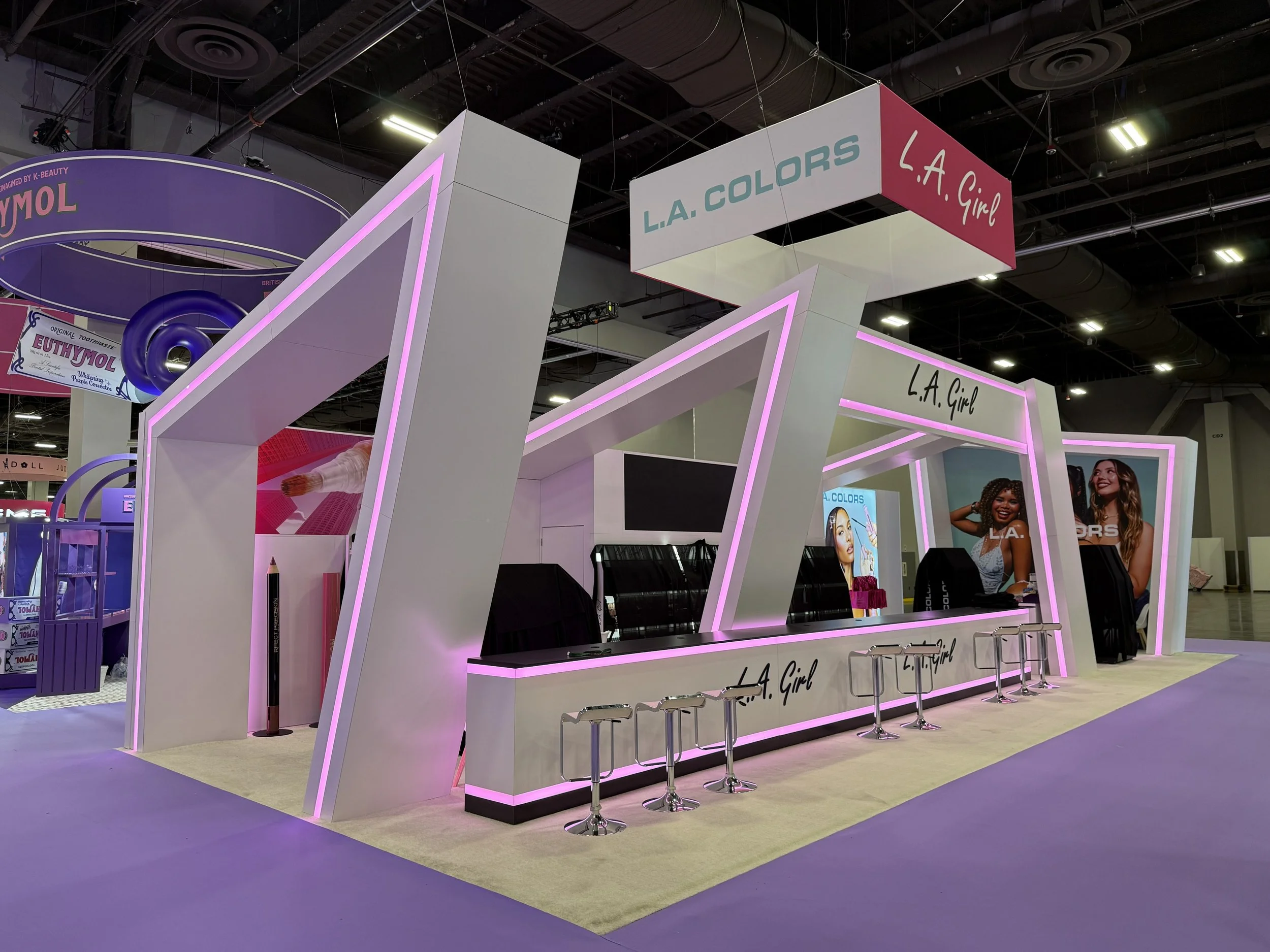
SEMA Trade Show Booth Features That Help Attract Visitors
A booth's design choices either help buyers understand what you do in a few seconds, or they slow them down. A few things that consistently make a difference on a floor as dense as SEMA's:
Clear branding from a distance. Your company name and category should be readable from across the aisle, not just up close — overhead signage and tall graphic elements help here.
Open sightlines into the booth. Solid walls and cluttered entry points keep visitors from seeing what's inside. Open, welcoming entrances invite people in instead of making them guess.
Product visibility at eye level. Buyers walking a show floor scan quickly. Products staged at eye level, well lit, get noticed. Products buried below counters or crowded together don't.
Traffic flow that makes sense. A layout that guides visitors naturally from entry to demo to meeting area, without bottlenecks, keeps people moving through instead of clustering at the entrance.
Dedicated demo and meeting space. Trying to run a live demonstration and a private dealer conversation in the same open square footage usually means neither works well. Separating them, even with a simple visual divider, helps both.
A clear messaging hierarchy. One primary message, visible immediately, with supporting details available for visitors who want to go deeper — not a wall of competing headlines.
Lead capture built into the flow. Whatever system you use to capture leads should be part of the booth's layout, not an awkward afterthought at a side table.
From Exhibit Design to Installation
Our process is built to keep you informed at every stage, from the first conversation to the final crate leaving the show floor.
Initial consultation — We learn about your brand, your SEMA goals, your booth size, and your budget.
Space and requirements review — We look at your actual booth footprint, product list, and any special needs like vehicle staging or private meeting space.
Concept development — Our design team develops initial concepts aligned with your brand and goals.
3D design and rendering — You see a full 3D rendering of your booth before anything is built, so layout, branding, and flow can be reviewed and adjusted.
Engineering and fabrication — Once the design is approved, we manufacture the booth in-house using quality materials and precise craftsmanship.
Graphics and finishing — Large-format graphics, signage, and finish details are produced and applied.
Logistics — We coordinate shipping and transportation to Las Vegas and manage the details of getting your exhibit to the show floor.
Installation — Our team manages on-site setup so your booth is show-ready before doors open.
Show support — We're available during the show if anything needs adjustment.
Dismantling and storage — After SEMA closes, we handle dismantling, and can arrange storage for exhibits you'll use again.
You'll have a single point of contact — your dedicated project manager — through every one of these stages, rather than being passed between departments as the project moves forward.
Why Choose Next Level Displays for Your SEMA Exhibit?
20+ Years of Experience
20+ years designing, building, and managing 500+ trade show projects across the USA.
In-House Manufacturing
Our 40,000-square-foot facility keeps design and manufacturing under one roof.
Full-Service Management
From concept to dismantling, we manage your entire exhibit project.
Transparent Pricing
Detailed, itemized quotes with clear pricing and no hidden line items.
Dedicated Project Manager
One dedicated contact keeps your project organised from kickoff to wrap.
Nationwide Installation
Professional exhibit installation across the USA, including Las Vegas for SEMA.
RECENT BUILDS
SEMA Trade Show Exhibit
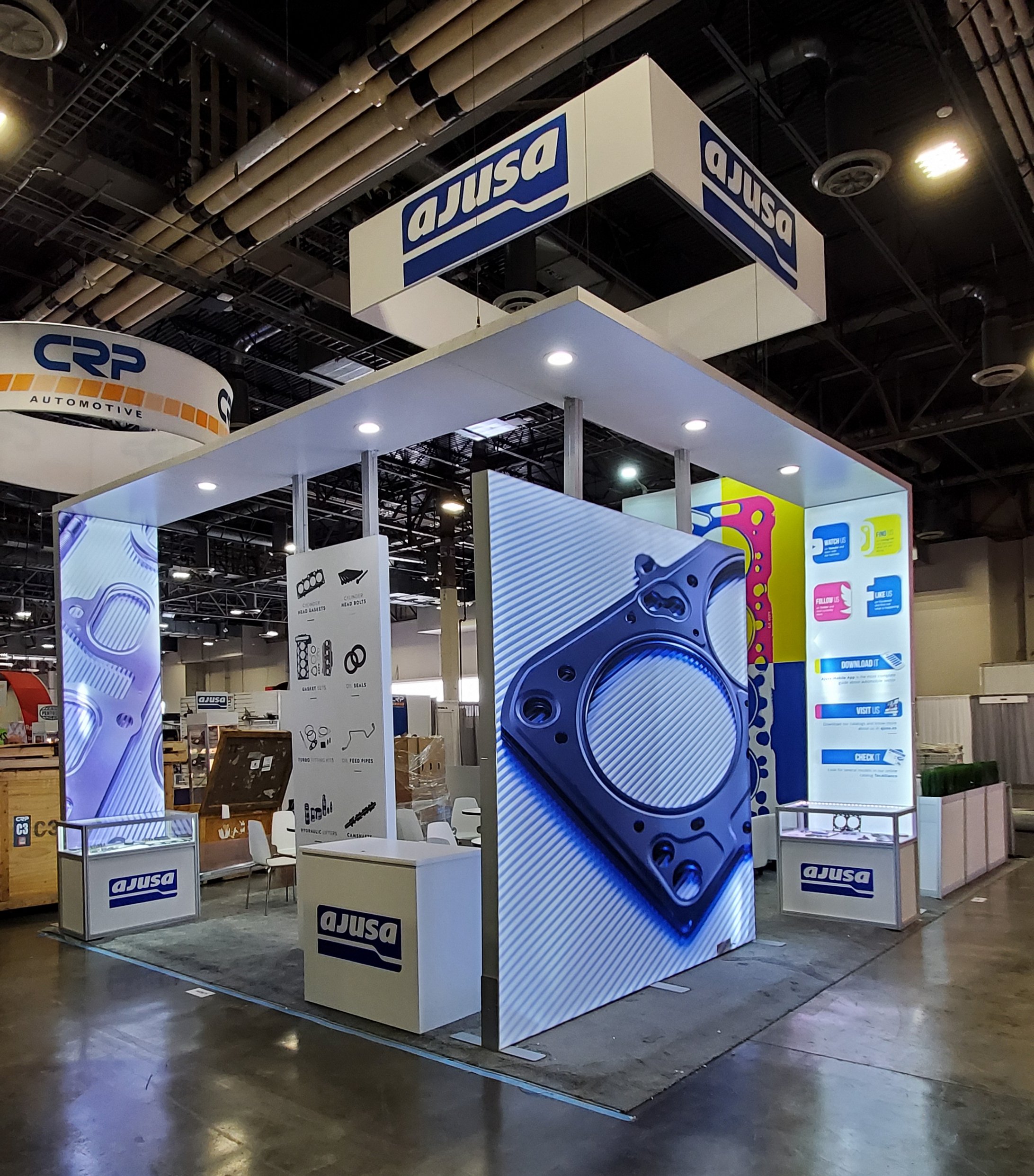
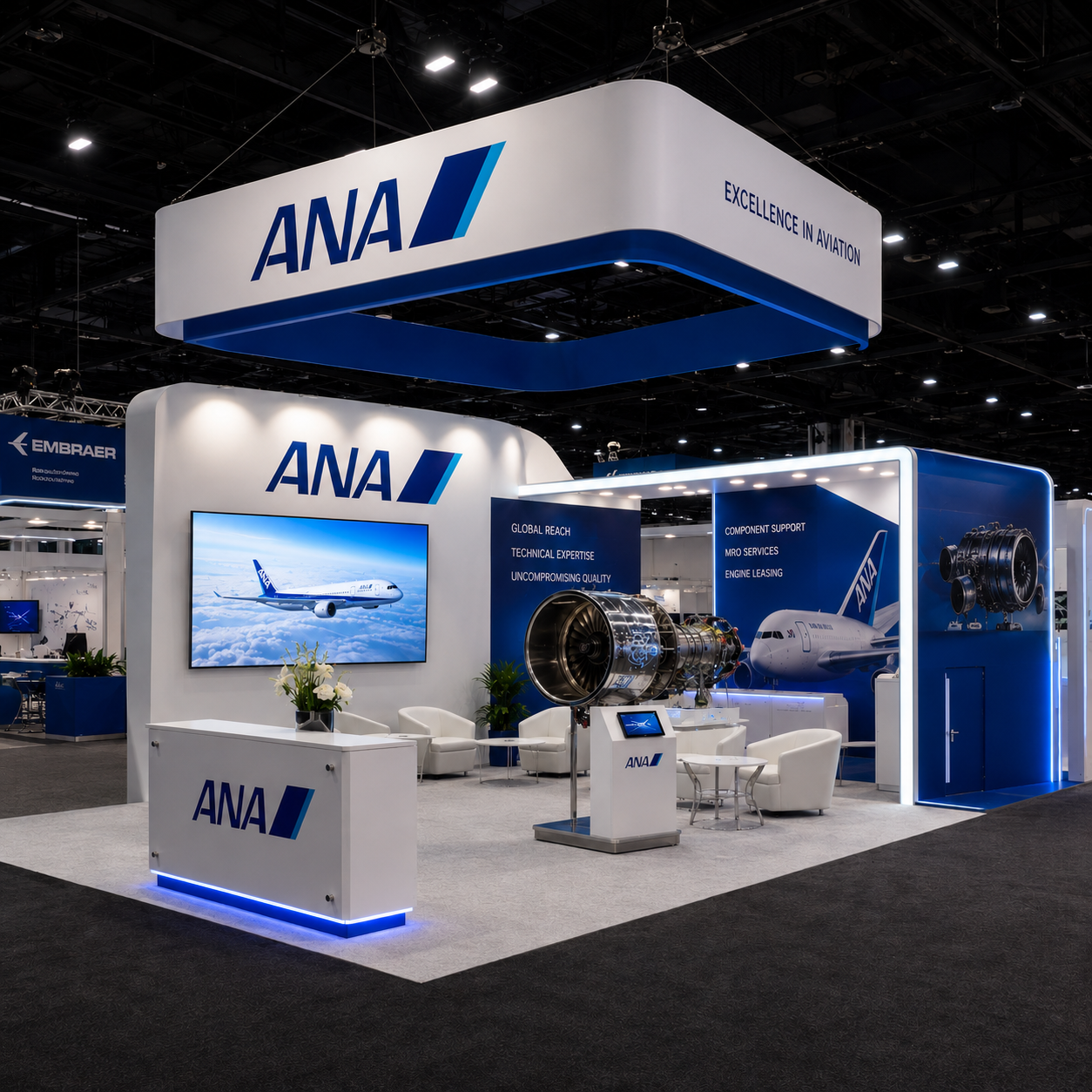
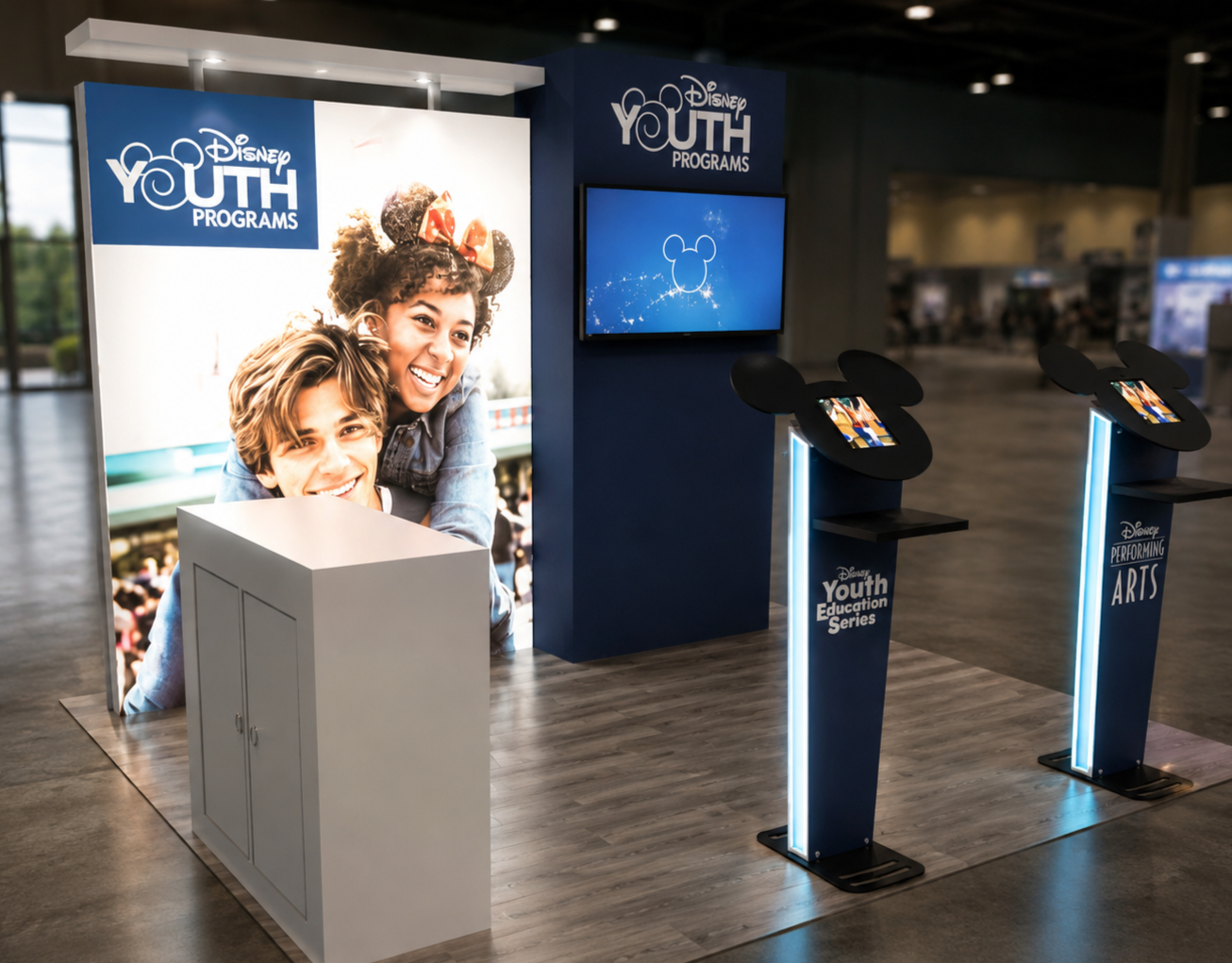
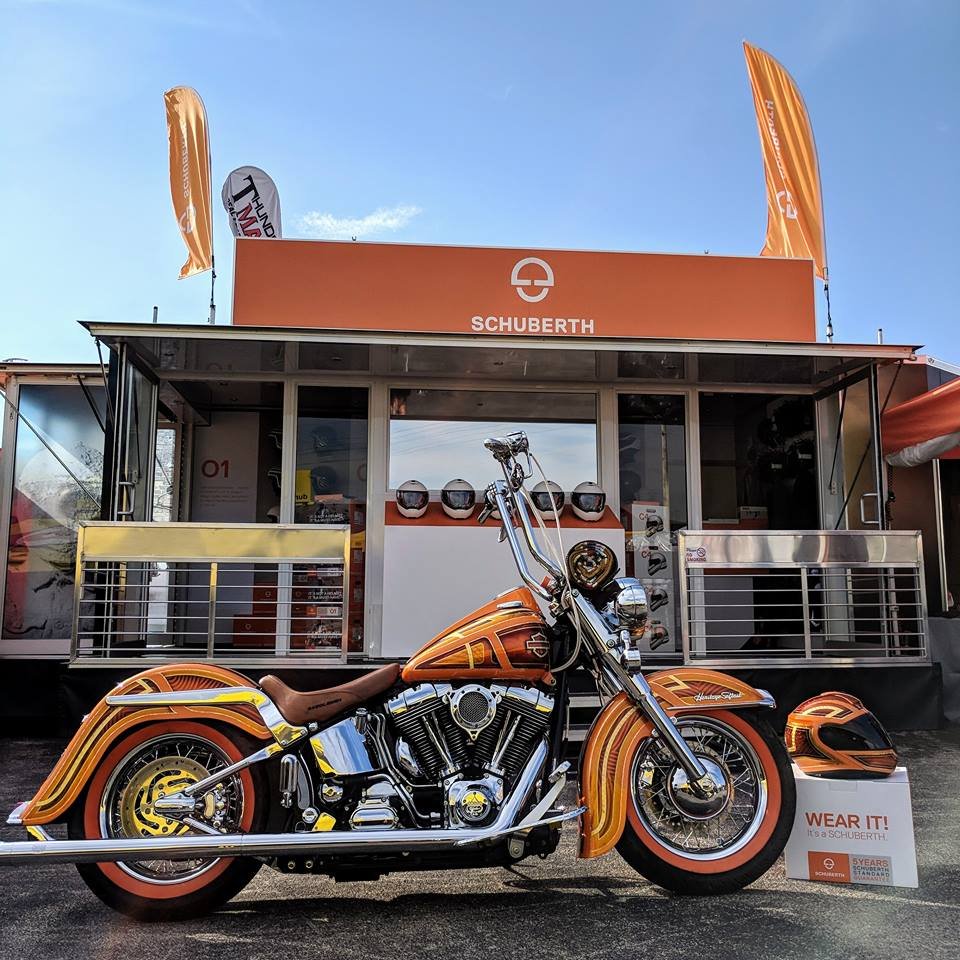
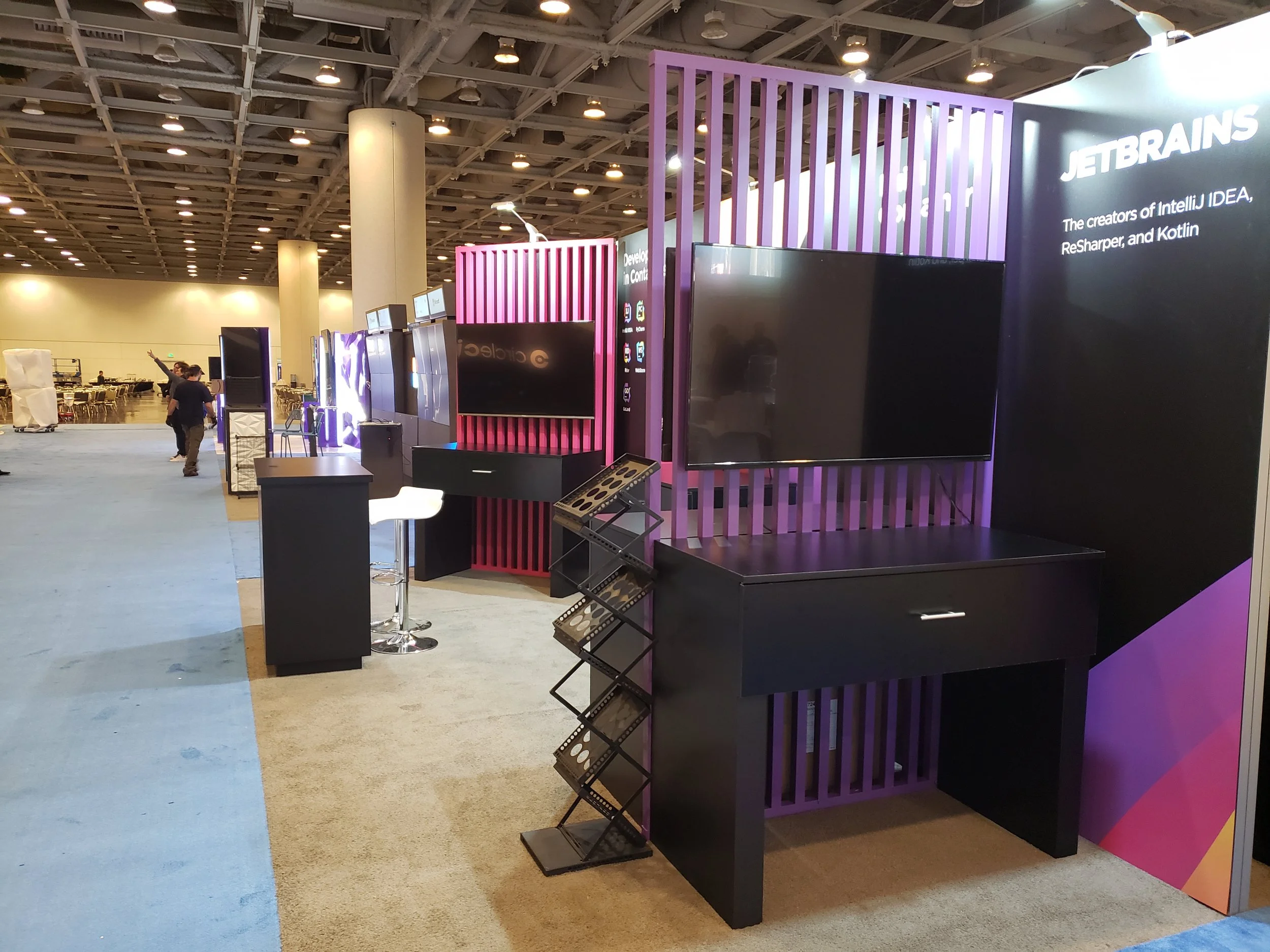
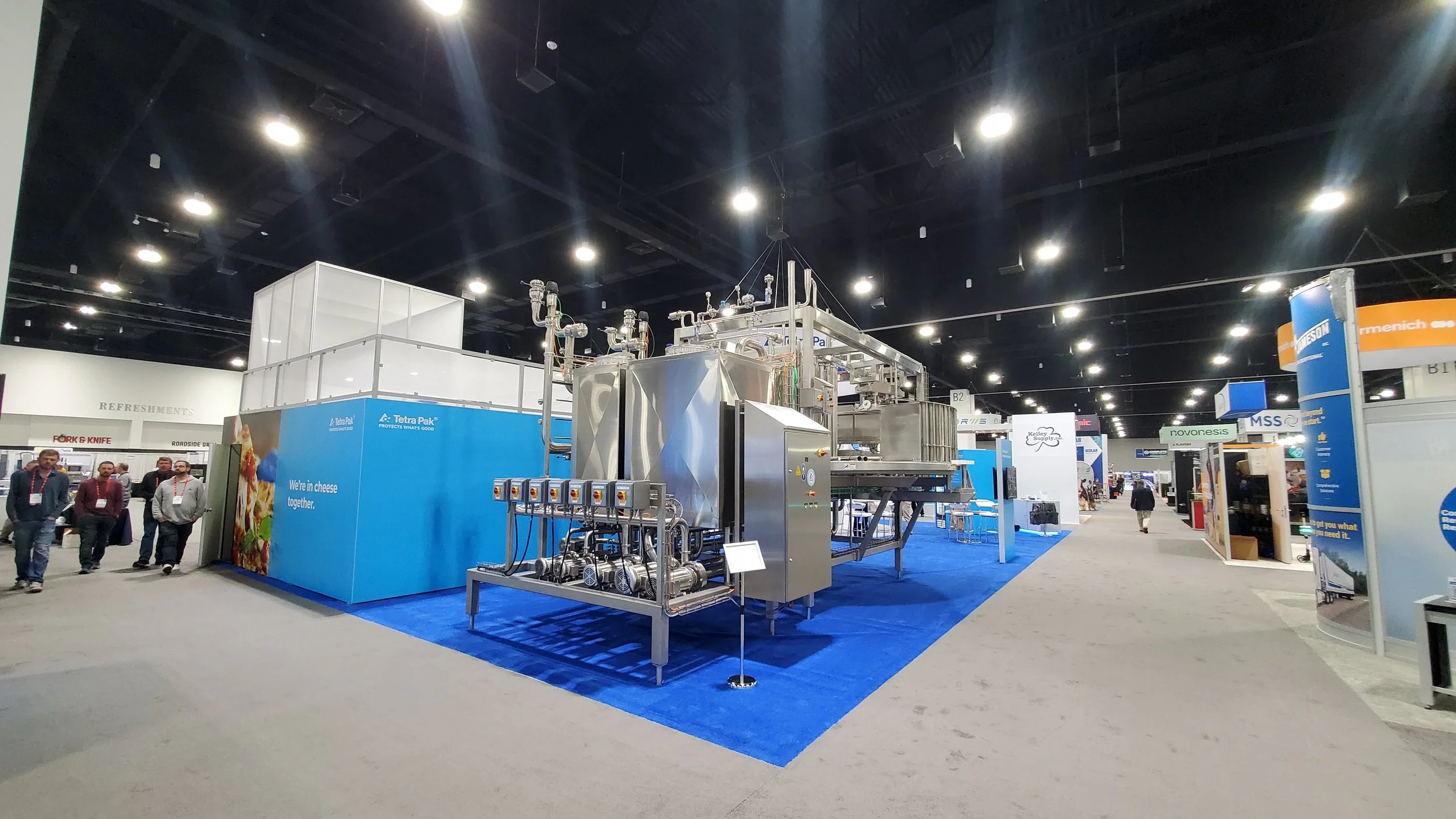
A snapshot of recent custom builds delivered for some of the brands we're proud to call clients.


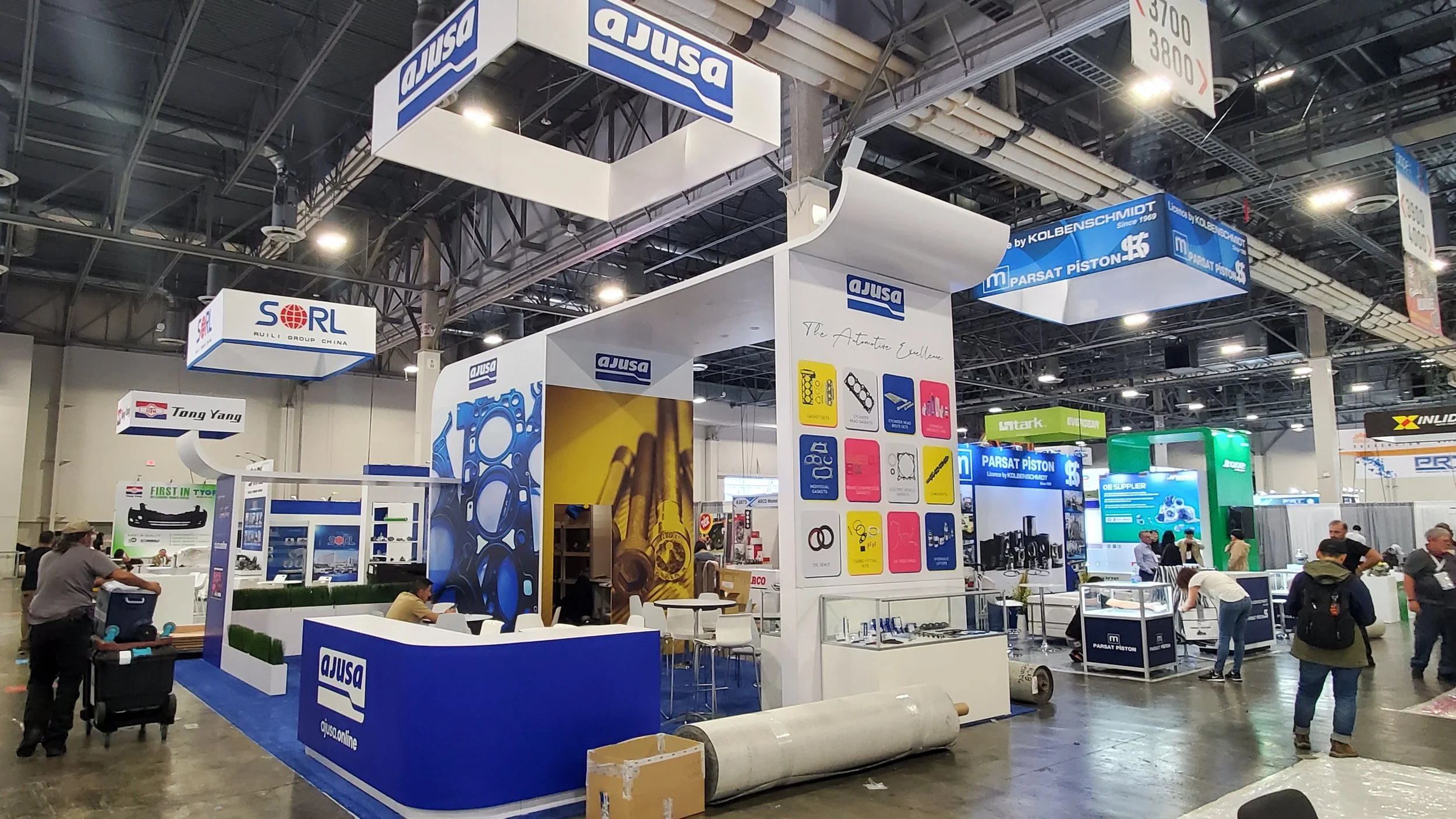
Planning Your SEMA Trade Show Booth
A few practical factors are worth thinking through early, regardless of which builder you work with:
Booth size and location. Your footprint and position on the floor affect what design options make sense — an inline booth has different constraints than a peninsula or island space.
Product and vehicle requirements. If you're displaying vehicles, engines, or oversized equipment, tell your exhibit builder early. Staging, weight loads, and clearance all affect the design.
Branding and messaging. Decide on your core message before design starts. A booth that tries to say everything usually communicates nothing clearly.
Demonstration needs. If you're running live product demos, plan for power, space, and sightlines from the start rather than adding them in after the layout is set.
Storage. Give some thought to what needs to be out of sight during the show — extra inventory, personal items, packaging — and make sure the design includes space for it.
Meeting areas. If dealer or distributor meetings are part of your SEMA strategy, build private or semi-private space into the plan rather than trying to find room for it later.
Technology needs. Decide early whether you need monitors, touchscreens, charging stations, or AV equipment, since these affect power requirements and booth engineering.
Artwork and graphics deadlines. Large-format graphics take time to produce and proof. Getting final artwork approved early protects your production timeline.
Shipping and installation deadlines. SEMA, like most major trade shows, works with official show services contractors for freight, material handling, and other on-site services, and those contractors set their own order deadlines and discount pricing windows. These deadlines are set by SEMA's official service providers, not by Next Level Displays, so we recommend confirming current dates directly through your SEMA exhibitor manual once your space is confirmed. We'll work around those deadlines as part of your project timeline.
Because exhibit builds involve design revisions, fabrication time, and shipping to Las Vegas, we recommend starting the conversation at least 3 to 4 months before the show — earlier if your booth includes vehicle staging, custom fabrication, or a large footprint.
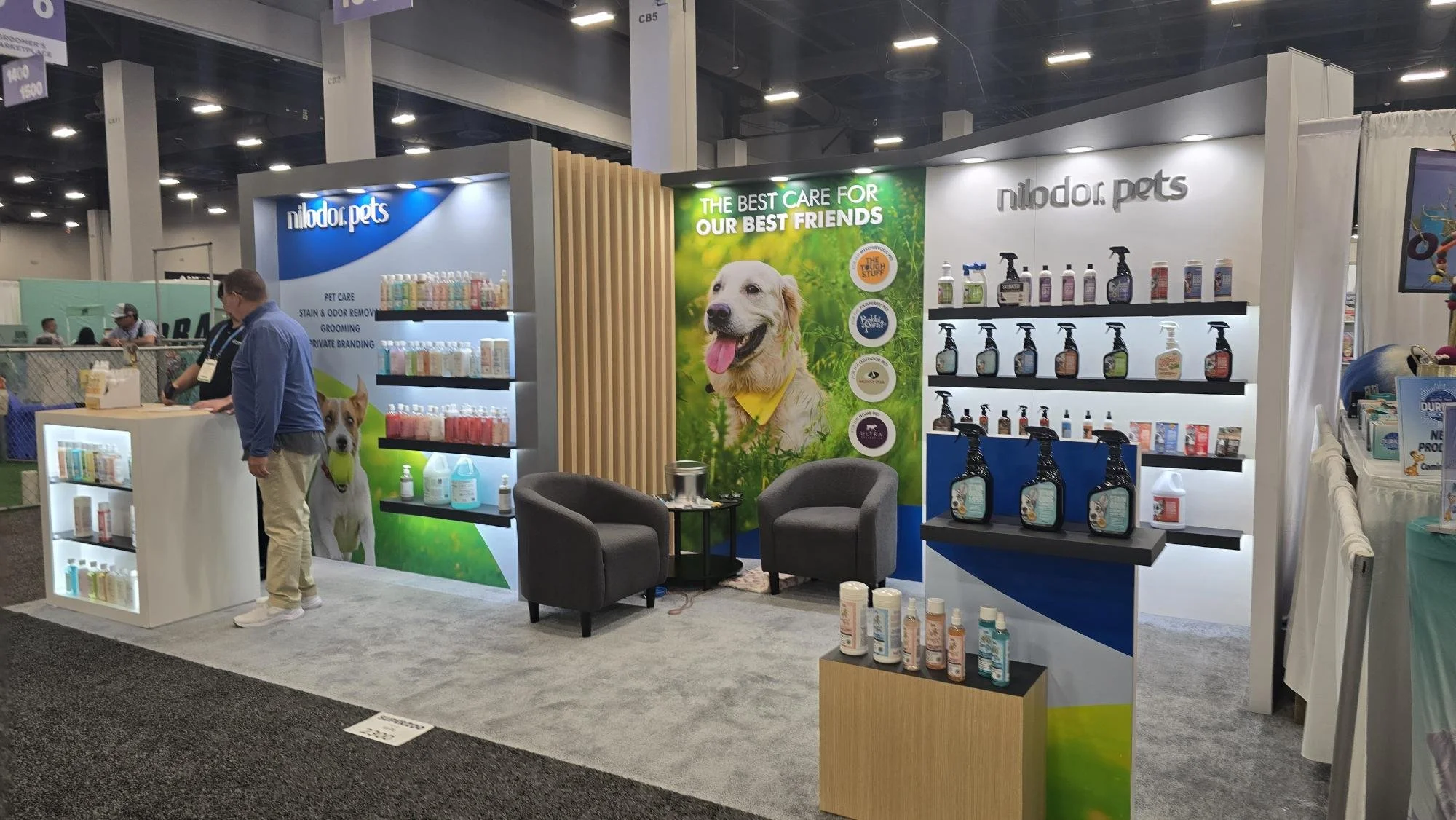
SEMA Trade Show Exhibit Questions, Answered.
Ready to get started? We’ll reply within one business day with timelines, budget guidance and relevant project examples.
-
A SEMA trade show booth is the exhibit space a company builds or rents to display products, run demonstrations, and meet with buyers at the SEMA Show, held annually at the Las Vegas Convention Center. It can range from a small inline display to a large custom island exhibit with vehicle staging and private meeting rooms.
-
Start with your goals for the show — lead generation, dealer meetings, product launches — and your booth footprint. From there, consider whether a custom, rental, or modular exhibit fits your budget and how often you plan to exhibit. A builder with automotive and SEMA experience will also know how to handle vehicle staging, product-heavy layouts, and the logistics specific to that show.
-
Yes. We design and build custom SEMA trade show booths in-house, from initial concept through fabrication, based on your brand, product line, and booth space.
-
Yes. Our rental exhibits are fully customizable with your branding and graphics, and can be resized to fit different booth footprints, with the same end-to-end project management as a custom build.
-
We recommend starting at least 3 to 4 months before the show. Larger or more complex exhibits — especially those involving vehicle staging or extensive custom fabrication — benefit from even more lead time.
-
That depends on your goals, but most SEMA exhibits benefit from clear branding visible from a distance, defined product display areas, a demonstration or meeting space, and enough storage to keep the floor clean during the show. See the "What Can Be Included in a SEMA Exhibit" section above for a full breakdown.
-
Yes. Vehicle and large-product staging is common at SEMA, and it needs to be planned into the design from the start — including clearance, weight loads, and sightlines — rather than added after the layout is finalized.
-
Cost depends on booth size, materials, custom fabrication versus rental, and what's included — from basic structure and graphics to AV, vehicle staging, and meeting space. We provide detailed, itemized quotes so you can see exactly what you're paying for and make adjustments to fit your budget.
-
The SEMA Show is held annually at the Las Vegas Convention Center in Las Vegas, Nevada. The 2026 show runs November 3–6, 2026.